Flexible Dieting Explained: Structure Without Food Rules
- Flexibility is a feature, not a loophole
- Start with the broad definition
- Build an overall pattern
- Choose a level of structure
- Make room without earning food
- Use appetite as information, not a test
- Let social meals remain social
- Numeric flexibility still needs exact arithmetic
- Watch for rigidity wearing flexible clothing
- Include access, culture, and budget in the definition
- Know when not to use the framework alone
- A weekly check that avoids body scoring
- What flexible dieting cannot do
- A useful version feels revisable
Flexibility is a feature, not a loophole
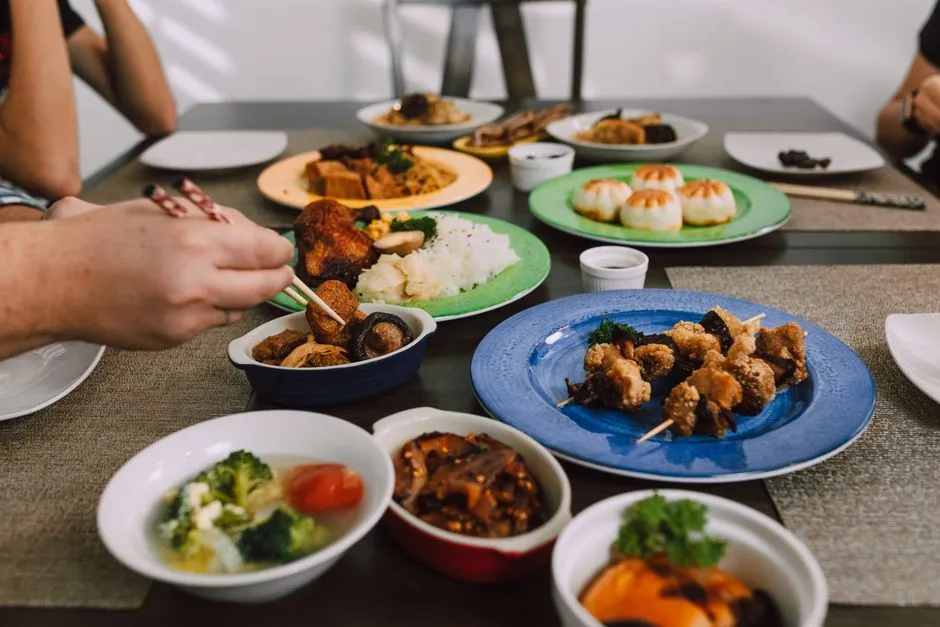
Flexible dieting is an optional way to organize eating around an overall pattern rather than treating one food or meal as proof of virtue, failure, purity, or criminal intent. Some versions track calories and macronutrients. Others use regular meals, variety, planning, and room for social or preference foods without recording a single gram.
It does not guarantee weight loss, health, athletic performance, or a particular relationship with food. It can be useful for some people and unhelpful or distressing for others. The method deserves to be judged by what it actually does in your life—not by how calm the spreadsheet looks.
Start with the broad definition
A flexible approach usually has four ideas:
- The overall pattern matters more than moral judgment about one item.
- Preferences, culture, access, budget, appetite, and social life belong in planning.
- Structure can exist without perfection.
- The plan can change when it stops being helpful.
This is broader than “if it fits your macros,” or IIFYM. Macro tracking is one numeric implementation, not the entire concept. A person can eat flexibly using a grocery plan and varied meals; another can log numbers with great rigidity. The tool's name does not determine the behavior around it.
Build an overall pattern
Think across several meals rather than requiring every plate to represent the whole nutrition syllabus. A practical weekly pattern can include fruits and vegetables, grains or other starches, varied protein foods, dairy or fortified alternatives where used, fats, and foods chosen mainly for pleasure, convenience, culture, or celebration.
USDA's MyPlate planning material recommends reviewing food already at home, writing down meals, and considering available time. Those are planning tools, not a command that every meal look identical.
Use foods you can access and enjoy. A “perfect” pattern built from expensive ingredients nobody in the household wants is an unusually elaborate compost plan.
For medical nutrition, allergies, pregnancy, medications, or health conditions, general food-group ideas may need adjustment. Follow a doctor and registered dietitian's individualized guidance.
Choose a level of structure
Option 1: Meal rhythm
Plan a regular pattern of meals and snacks based on your schedule and needs. Keep portable food available for long gaps. This offers predictability without numbers.
Option 2: Component planning
At many meals, include a source of carbohydrate, protein, produce where practical, and fat or flavour. This is a flexible assembly prompt, not a rigid plate prescription.
Option 3: Weekly planning
List several dinners, one restaurant or social meal, quick backup food, and leftovers. Shop accordingly without preassigning every bite.
Option 4: Numeric tracking
Track calories or macros only when it serves a clear purpose and does not create distress. Targets should be individualized by an appropriate professional when connected to health, performance, or treatment.
You can move between options or use none. More data is not automatically more care.
Make room without earning food
Planning a favourite dessert, takeaway, or restaurant meal does not require fasting beforehand or adding punitive exercise afterward. Treat it as part of the eating pattern and return to the next ordinary meal.
Our comparison of cheat meals and planned pleasure explains the language shift. The food may be identical; the plan stops portraying it as rule-breaking with a debt attached.
This does not mean ignoring allergies, symptoms, religious practice, or medical restrictions. Flexibility includes real boundaries. It simply removes invented moral punishment from the boundary-making process.
Use appetite as information, not a test
Hunger, fullness, satisfaction, routine, access, and social context can all inform eating. None needs to operate alone. Medication, stress, illness, sleep, neurodivergence, training, pregnancy, and past restriction can affect appetite cues.
Avoid declaring that every person must “just listen to their body” without acknowledging those differences. A planned meal can be useful when hunger cues are muted; appetite can also justify changing a planned portion.
If appetite changes sharply or persistently, or eating causes physical symptoms, seek medical advice. A flexible framework cannot diagnose the reason.
Let social meals remain social
For a restaurant dinner, check practical details: menu, allergens, cost, accessibility, timing, transport, and reservation. Eat ordinary meals earlier in the day. Choose based on preference and needs rather than arriving ravenous after a self-imposed fast.
Our guide to planning a restaurant meal keeps compensation out of the schedule. Restaurant portions and recipes vary, and nutrition numbers may be unavailable or approximate. Uncertainty is not a personal failure; it is a property of food made outside your measuring cup.
Return to ordinary eating afterward. One meal does not require a cleanse, punishment workout, or a committee meeting.
Numeric flexibility still needs exact arithmetic
If you use macros, distinguish exact arithmetic from uncertain inputs. The standard 4-4-9 estimate assigns 4 calories per gram of protein, 4 per gram of carbohydrate, and 9 per gram of fat.
For 25g protein, 40g carbohydrate, and 15g fat:
- Protein: 25 × 4 = 100 calories.
- Carbohydrate: 40 × 4 = 160 calories.
- Fat: 15 × 9 = 135 calories.
- Estimated total: 100 + 160 + 135 = 395 calories.
The calculation is exact for those stated factors; the input values may be rounded or estimated. Our macro-calorie arithmetic guide explains why labels can legitimately differ.
Do not use this example as a meal target. Personal needs vary, and this site does not prescribe deficits or macro allocations.
Watch for rigidity wearing flexible clothing
A method has become rigid when changing the plan creates disproportionate anxiety, social meals are avoided, foods narrow, tracking expands, or numbers decide whether someone is allowed to eat.
Other warning signs include guilt, secrecy, bingeing, purging, fasting, or exercise used to compensate. NIMH describes eating disorders as serious illnesses involving severe disturbances in eating behaviour and notes that fixation on weight, shape, weight loss, or food control can be a sign.
If any of this feels familiar, stop using the tracking or rule and speak with a doctor, registered dietitian, and/or qualified mental-health professional. In a crisis or emergency, use local emergency services. Flexibility does not require you to practise the method that is hurting you.
Include access, culture, and budget in the definition
A plan is not flexible when it requires specialty products, ignores religious practice, treats cultural food as an exception, or assumes time and cooking equipment that are not available. Start with foods already used by the household and build variety from realistic shops, transport, storage, and preparation.
Convenience food can be part of a workable pattern. Frozen vegetables, canned beans, bread, ready rice, tinned fish, fortified alternatives, and restaurant meals are not planning failures. Compare labels only when the comparison serves an actual need, such as an allergen, clinician-directed nutrient, price, or preparation constraint.
Food insecurity and limited access are structural issues, not evidence that someone lacks discipline. Use community and professional resources where available rather than turning an idealized plan into another judgment.
Know when not to use the framework alone
Flexible dieting is not a self-treatment plan for eating disorders, unexplained weight change, nutrient deficiency, persistent gastrointestinal symptoms, diabetes, kidney disease, food allergy, or another medical condition. It should not be imposed on children or teenagers using targets from an adult article.
If a treatment team has provided a meal plan, discuss flexibility with them rather than editing it independently. Recovery-oriented structure may look different from casual meal planning, and more spontaneity is not automatically safer at every stage.
A weekly check that avoids body scoring
Review the process with questions such as:
- Did I have enough convenient food for busy periods?
- Did the plan include foods I enjoy and can afford?
- Were social and cultural meals accommodated?
- Did allergies or medical needs remain protected?
- Did tracking take more attention than it returned?
- Did I feel compelled to compensate for eating?
- What would make next week simpler?
Avoid turning the review into punishment based on a scale or one meal. Change logistics first: more portable snacks, fewer recipes, a larger grocery buffer, or no tracking app.
What flexible dieting cannot do
It cannot diagnose a nutrient deficiency, treat diabetes, manage kidney disease, determine a safe allergy plan, resolve gastrointestinal symptoms, or treat an eating disorder. Those require appropriate qualified care.
It also cannot promise weight change. Food access, health, medications, sleep, stress, genetics, activity, and many other factors affect outcomes. Anyone selling certainty from a single framework is offering confidence in an unusually decorative package.
A useful version feels revisable
Try one week with a modest structure: three planned dinners, two quick backups, ordinary breakfasts, and one social meal. Notice whether the plan reduces decision load without increasing guilt or surveillance.
Keep the parts that help. Remove the parts that do not. If numbers distract, use components. If components become rules, return to a simpler meal rhythm. If any approach worsens distress, seek qualified support.
Flexible eating should create more workable choices, not a larger courtroom. The moment the framework needs constant policing to preserve its flexibility, it has wandered off with the definition.
This article provides general educational information, not medical nutrition therapy, diagnosis, eating-disorder treatment, or individualized calorie or macro targets. If eating, tracking, body image, or compensatory behaviours cause distress, stop using these tools and seek appropriate qualified support.