Cheat Meals vs Planned Pleasure: Change the Frame
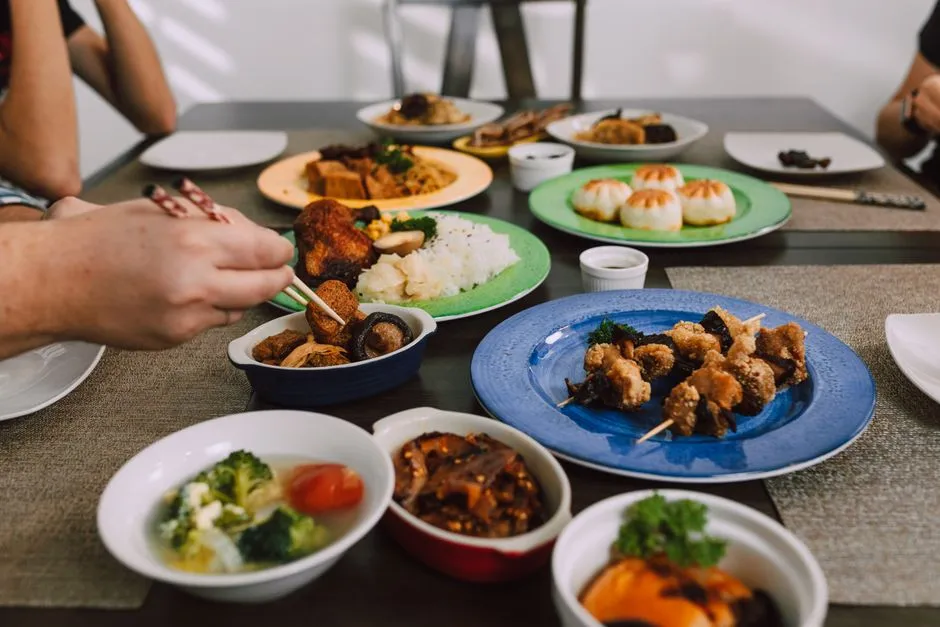
- Same dinner, different story
- Compare the two approaches
- Remove earning from the plan
- Replace the “clean versus cheat” pair
- Plan pleasure before hunger becomes an emergency
- During the meal, allow preference to change
- Return to ordinary eating afterward
- Do not sell the meal as a metabolic hack
- What about tracking?
- Family and children need neutral language
- When the plan changes
- Respond to other people's diet talk
- Review the experience without judgment
- Use a name that matches reality
Same dinner, different story
A “cheat meal” and a planned pleasure meal can contain the same pizza, chips, cake, noodles, or family recipe. The distinction is the frame. Cheating implies that a rule was broken and a consequence is due. Planned pleasure treats enjoyable food as an expected part of life, with no debt collector waiting beside the treadmill.
Words do not single-handedly determine behaviour, but they can reveal and reinforce it. If “cheat” feels playful and carries no guilt, urgency, restriction, or compensation for you, the label may be low stakes. If it creates a narrow eating window, a last-supper feeling, or a need to undo the meal, change the frame and the plan.
Compare the two approaches
| Question | Cheat-meal frame | Planned-pleasure frame |
|---|---|---|
| Why eat it? | Permission after following rules | Preference, culture, celebration, convenience, or appetite |
| Beforehand | May encourage saving, fasting, or earning | Ordinary meal rhythm |
| During | Pressure to maximize the chance | Permission to choose and stop |
| Afterward | Guilt or compensation may follow | Return to ordinary eating |
| Success test | How much rule-breaking fit | Whether the experience was wanted and workable |
This table describes tendencies, not a diagnosis. People use the words differently. Pay attention to your actual actions and distress rather than arguing with the vocabulary police over brunch.
Remove earning from the plan
Food does not need to be earned through exercise, low intake, productivity, or “good” days. Plan the restaurant dinner or dessert directly:
- What sounds enjoyable?
- Who will be there?
- Are allergies or medical needs handled?
- What does it cost?
- Does the timing require a snack beforehand?
- Would leftovers be useful?
Do not fast all day to create space. Arriving extremely hungry can make it harder to notice preference or comfort and can turn one meal into a high-pressure event.
If a clinician has given specific meal-timing instructions for a health condition or medication, follow that plan. General flexible-eating advice does not override medical care.
Replace the “clean versus cheat” pair
Calling ordinary food “clean” makes its imaginary opposite dirty. That language can smuggle morality into a sandwich while saying nothing precise about ingredients, allergies, food safety, nutrient content, or suitability for one person.
Use descriptions that communicate something real:
- Home-cooked or restaurant.
- Everyday or celebration.
- Familiar or new.
- Quick or elaborate.
- Sweet, salty, rich, spicy, crisp, or comforting.
- A food eaten often, sometimes, or rarely by preference.
“Cake” is already a complete noun. It does not require a disciplinary prefix.
Plan pleasure before hunger becomes an emergency
Choose the food and setting with enough notice to enjoy them. That might mean reserving a table, buying a favourite dessert, or cooking a cultural meal with family.
Eat your usual meals and snacks earlier, adjusted only for ordinary appetite and timing. If dinner is later than normal, a snack can make the evening more comfortable. Carry any required allergy medication and ask the restaurant about ingredients and cross-contact.
Our guide to planning a restaurant meal covers those logistics. The plan is practical, not compensatory.
During the meal, allow preference to change
You may love the dish, find it disappointing, want seconds, take leftovers, share, or stop. Planning it did not sign a contract requiring completion.
Eat at a pace that permits conversation and noticing, without turning every bite into a mindfulness assignment. Satisfaction is information, not a score. A larger-than-usual portion can happen without requiring an immediate rule for tomorrow.
If portion awareness becomes obsessive or the meal triggers panic, guilt, bingeing, or urges to purge or compensate, step away from the framework and seek qualified support. Those experiences deserve care, not a more ingenious meal-planning trick.
Return to ordinary eating afterward
At the next meal or snack, return to your usual rhythm. Do not:
- Skip meals.
- Fast to compensate.
- Use vomiting, laxatives, or other purging behaviour.
- Add punitive exercise.
- Cut out a food group as repayment.
- Weigh yourself repeatedly to judge one meal.
Appetite can naturally vary. Responding to comfort is different from imposing punishment. The key question is whether the next choice comes from ordinary need or from a demand to erase what happened.
NIMH identifies severe restriction, bingeing, purging, and excessive exercise among signs associated with eating disorders. If these behaviours or urges are present, talk with a health care provider and qualified eating-disorder professionals. In an emergency, use local emergency services.
Do not sell the meal as a metabolic hack
Online explanations sometimes claim a cheat meal will “reset metabolism,” optimize hormones, or accelerate fat loss. This site makes no such promise. One meal cannot be guaranteed to produce a particular medical or weight outcome.
Sports nutrition may include intentionally higher-carbohydrate days or periods. That is a specific performance plan, not a license to apply the same protocol to everyone. It should use precise neutral language and, when relevant, guidance from a qualified sports dietitian and medical team.
Pleasure is a sufficient reason to enjoy food. It does not need to arrive disguised as endocrinology.
What about tracking?
Some people log a planned meal using official nutrition information. Others leave it untracked because restaurant recipes vary or tracking would reduce the social experience. Both can fit an optional flexible approach.
Do not invent exact numbers from a photograph. Posted restaurant values are estimates, and unposted meals cannot be reverse-engineered from plate colour. Our macro arithmetic guide distinguishes exact multiplication from uncertain inputs.
If tracking causes anxiety, repeated checking, restriction, guilt, or compensation, stop. Numbers are optional. Support from a registered dietitian, doctor, and/or qualified mental-health professional is more appropriate than continuing because an app has a streak.
Family and children need neutral language
Avoid using food as a moral reward for children or describing a meal as cheating in front of them. Offer varied food without requiring a child to earn dessert through vegetables, behaviour, or exercise.
Children's nutrition and feeding concerns require pediatric and registered-dietitian guidance. Adults should not impose calorie or macro targets from this site on a child or teenager.
At family events, focus on the occasion, tradition, people, and food itself. “Grandma's pie” carries more useful meaning than “my weekly cheat allocation.”
When the plan changes
The restaurant may close, dessert may sell out, appetite may differ, or someone may bring an unexpected dish. Flexibility means choosing again without declaring the evening ruined. Pick another food, eat something available, or postpone the original plan. The pleasure was not a one-night coupon that expires at midnight.
Do not respond to a cancelled meal by extending restriction because the planned food never arrived. Likewise, do not eat an unwanted substitute merely because the occasion was designated special. Preference is allowed to remain specific.
Respond to other people's diet talk
Prepare a neutral boundary in advance: say that you are not discussing calories tonight, ask people not to comment on your plate, or change the subject. Change seats, recruit a supportive person, or leave if conversation becomes harmful.
Do not debate another person's body or meal in return. A boundary protects your participation; it does not require winning a nutrition argument beside the bread basket.
If family, work, or social settings repeatedly trigger restriction, bingeing, guilt, or compensation, discuss strategies with qualified eating-disorder or mental-health professionals. The problem may need more than a sharper comeback.
Review the experience without judgment
Ask:
- Did I choose what I actually wanted?
- Did I eat normally beforehand?
- Were allergies and medical needs protected?
- Did I feel rushed to maximize the meal?
- Did guilt or compensation follow?
- Would I plan it differently for comfort, cost, or enjoyment?
This review improves logistics. It is not an invitation to prosecute the plate. If distress repeats, pause the exercise and seek help.
Use a name that matches reality
Call it dinner out, birthday cake, takeaway night, a favourite snack, or Sunday lunch. If “planned pleasure” sounds like a committee approved the biscuit, skip that phrase too. Neutral language is allowed to be ordinary.
The broader flexible dieting guide offers several levels of structure without requiring tracking. The useful shift is not a perfect replacement term. It is removing the rule-breaking, urgency, and repayment cycle from the meal.
This article provides general educational information, not medical nutrition therapy, diagnosis, eating-disorder treatment, or individualized calorie or macro targets. If eating, tracking, body image, guilt, restriction, bingeing, purging, or compensation causes distress, seek appropriate qualified support.